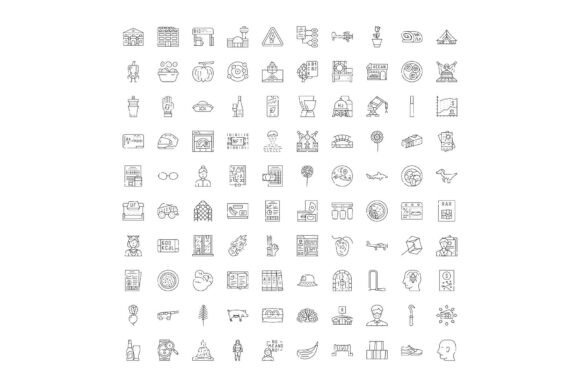
Collection of Various Minimalist Line Art: A Practical Guide for Designers and Creators
For designers, marketers, and content creators, the right visual elements can make a world of difference in communication and aesthetics. The Collection of Various Minimalist Line Art offers a versatile set of line art icons and symbols that span multiple themes—food, technology, travel, nature, business, and daily objects. These clean, simple designs are ideal for web graphics, infographics, and digital presentations. However, many users overlook key details when selecting or applying these assets, which can lead to suboptimal results.
Understanding how to effectively use this collection requires more than just picking the most appealing images. It involves knowing what to look for, how to avoid common pitfalls, and how to maximize the value of each icon or symbol.
Common Mistakes When Using Line Art Collections
One of the most frequent errors is choosing line art without considering its scalability. While minimalist designs are often praised for their simplicity, not all line art is created equal. Some may appear crisp at large sizes but become blurry or distorted when scaled down. This can be especially problematic for mobile interfaces or social media posts where clarity is essential.
Another mistake is ignoring the style consistency within the collection. A Collection of Various Minimalist Line Art might include icons with varying stroke widths, angles, or proportions. Using inconsistent elements can create a jarring visual experience, making your design feel unprofessional or disorganized.
Additionally, some users fail to check licensing terms before using line art. Free collections may have restrictions on commercial use, attribution, or modification. Downloading and using such assets without understanding the rules can lead to legal issues, especially if the design is used in a professional setting.
How These Mistakes Affect Results
Using low-quality or inconsistent line art can negatively impact the overall user experience. For example, if an infographic uses icons that don’t align in style, it can confuse the audience and reduce the effectiveness of the message. In a business context, this might mean losing potential clients or failing to convey information clearly.
Cost is another factor. Some users may opt for free line art only to discover later that they need to purchase a premium version for proper licensing. This can result in unexpected expenses and delays in project timelines. Similarly, poor-quality assets may require additional editing or replacement, increasing both time and resource costs.
Practical Advice for Better Outcomes
To avoid these issues, start by evaluating the quality and resolution of the line art. Look for high-resolution files that maintain clarity at different sizes. If possible, test the icons in the context where they’ll be used—whether on a website, app, or print material—to ensure they work well visually and functionally.
Check for style uniformity within the collection. If the line art varies too much in detail or structure, consider selecting a smaller, more cohesive set or adjusting the elements to match a consistent style. This will help maintain a polished and professional appearance.
Before downloading or purchasing any Collection of Various Minimalist Line Art, review the licensing agreement carefully. Understand whether the assets can be used commercially, if attribution is required, and if modifications are allowed. This ensures you’re compliant and avoids future complications.
What to Check Before Making a Decision
When browsing for line art, pay attention to the file formats provided. Common options include SVG, PNG, and EPS. SVG files are ideal for scalable vector graphics, while PNGs offer transparency and are easy to use in most design software. Understanding which format suits your needs can prevent compatibility issues later.
Also, consider the source of the collection. Reputable platforms often provide better support, clearer licensing, and higher-quality assets. Avoid downloading from unknown websites that may contain malware or poorly designed graphics.
Finally, think about the purpose of the line art. Are you using it for a personal project, a client’s website, or a marketing campaign? Different applications may require different levels of detail, style, or flexibility. Matching the collection to your specific needs ensures better results and greater satisfaction.
Realistic Examples and Better Approaches
Imagine you’re designing a food blog and want to use line art icons for recipes, ingredients, and cooking tools. Choosing a Collection of Various Minimalist Line Art that includes consistent, high-quality icons will enhance the visual appeal of your site. On the other hand, using mismatched or low-resolution icons could make the design look unpolished and reduce reader engagement.
Another example is a tech startup creating a dashboard interface. Using line art that matches the brand’s aesthetic and is scalable across different screen sizes will improve usability and professionalism. Failing to do so may result in a confusing or cluttered interface that hinders user interaction.
Instead of randomly selecting icons, take the time to curate a set that aligns with your goals. Use tools like Adobe Illustrator or Figma to adjust and refine the line art as needed. This approach allows for greater control and ensures the final design meets your expectations.
Conclusion: Make Informed Choices with Line Art
The Collection of Various Minimalist Line Art is a valuable resource for anyone looking to enhance their visual content. However, success depends on making informed decisions about selection, application, and usage. By avoiding common mistakes and following practical advice, you can maximize the benefits of these assets and achieve better results in your projects.
Take the time to evaluate quality, consistency, and licensing before using any line art. With careful consideration, you’ll find that minimalist line art can be a powerful tool for clear, effective, and aesthetically pleasing design.