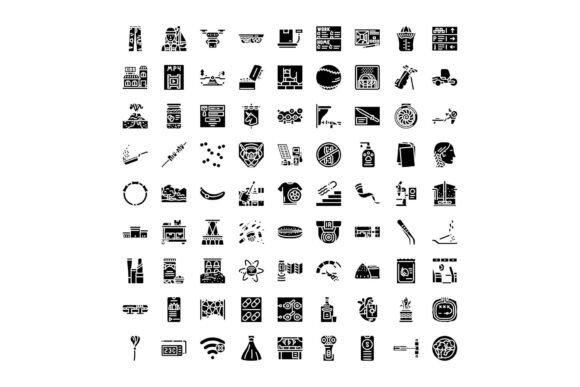
Collection of Isometric Icons for Business: A Strategic Tool for Modern Communication
In today’s fast-paced digital landscape, visual communication plays a crucial role in conveying complex ideas quickly and effectively. One powerful resource that has gained traction among professionals is the Collection of Isometric Icons for Business. These icons are not just decorative elements; they serve as strategic tools that can enhance clarity, engagement, and overall effectiveness in various business contexts.
Designed to represent a wide array of concepts—such as scooter transport, data documents, payment systems, digital applications, and energy transmission—this set of colorful isometric icons offers a visually appealing way to illustrate abstract or technical ideas. Whether you're creating presentations, marketing materials, or infographics, these icons can help simplify information and make it more accessible to your audience.
Why the Collection of Isometric Icons for Business Matters
The Collection of Isometric Icons for Business is more than just a set of images; it's a versatile asset that supports multiple aspects of professional work. From branding to internal documentation, these icons can be used to communicate messages with precision and style. Their isometric design ensures a consistent visual language, making them ideal for maintaining a cohesive brand identity across different platforms and formats.
For entrepreneurs and small business owners, this collection can be particularly valuable. It allows for the creation of high-quality content without the need for extensive graphic design skills. By integrating these icons into reports, social media posts, or website layouts, businesses can present information in a more engaging and professional manner.
Strategic Use of the Collection of Isometric Icons for Business
Understanding when and how to use the Collection of Isometric Icons for Business is key to maximizing its impact. These icons are especially effective in scenarios where visual storytelling is essential. For instance, in a presentation about digital transformation, using icons that represent data documents or digital applications can help illustrate the journey from traditional to modern systems.
When planning to incorporate these icons, consider the following steps:
- Define the purpose: Determine what message you want to convey and which icons best align with that goal.
- Identify the audience: Tailor the selection of icons to the preferences and understanding level of your target audience.
- Ensure consistency: Use the icons in a way that maintains a unified visual style across all materials.
By approaching the use of these icons strategically, you can avoid common pitfalls such as overloading visuals or using them inappropriately. This thoughtful integration can lead to more impactful communication and better results.
Real-World Applications and Benefits
The Collection of Isometric Icons for Business finds practical applications in various fields. For example, in the realm of education, instructors can use these icons to create interactive learning materials that explain complex topics like energy transmission or digital applications. In marketing, they can be used to visualize concepts such as payment systems or customer journeys, making campaigns more relatable and engaging.
Moreover, these icons can support decision-making processes by providing a visual reference for abstract concepts. When presenting data or proposals, using relevant icons can help stakeholders grasp the information more quickly and make informed decisions. This is particularly useful in industries where time is a critical factor, such as finance or technology.
Planning Tips for Effective Integration
To ensure that the Collection of Isometric Icons for Business serves its intended purpose, careful planning is essential. Start by identifying the key messages or themes you want to highlight. Then, select icons that align with those themes and fit the overall tone of your project.
It’s also important to consider the context in which the icons will be used. For instance, if you’re designing a mobile app, the icons should be scalable and recognizable at smaller sizes. Similarly, if you’re creating print materials, ensure that the colors and designs are suitable for physical reproduction.
Another tip is to experiment with different combinations of icons to find the most effective visual narrative. This can help you discover new ways to present information and improve the user experience.
Risks of Misuse and How to Avoid Them
While the Collection of Isometric Icons for Business offers numerous benefits, there are risks associated with its misuse. One common issue is using icons without a clear purpose, which can lead to confusion rather than clarity. Without a defined strategy, the icons may appear random or disconnected from the main message.
To avoid this, always ask yourself: What is the goal of using this icon? Does it add value to the content? If the answer is unclear, it may be better to omit the icon or choose a more appropriate one. Additionally, ensure that the icons are used in a way that complements the surrounding text and design, rather than overshadowing it.
Long-Term Value and Continuous Improvement
The Collection of Isometric Icons for Business can provide long-term value when used thoughtfully. As your business evolves, so too can your use of these icons. Regularly reviewing and updating your visual assets ensures that they remain relevant and effective over time.
Additionally, staying informed about design trends and user preferences can help you make more informed decisions about how to use these icons. By continuously refining your approach, you can maintain a competitive edge and deliver more impactful communication.
In conclusion, the Collection of Isometric Icons for Business is a valuable tool that, when used strategically, can enhance communication, support decision-making, and contribute to long-term success. By understanding its potential and applying it thoughtfully, professionals across various industries can achieve better results and create more meaningful connections with their audiences.