Diverse Glyph Collection with Various De: A Strategic Tool for Modern Design and Communication
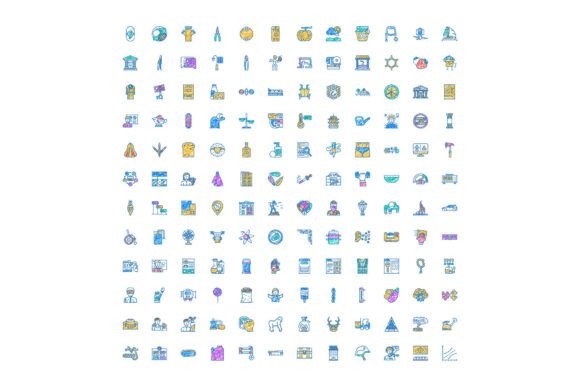
In today’s fast-paced digital landscape, visual communication plays a critical role in conveying messages efficiently and effectively. The Diverse Glyph Collection with Various De offers a rich set of simple, flat glyphs and pictograms that cater to a wide range of industries and applications. From web design to mobile interfaces, infographics to business presentations, these icons serve as essential tools for designers, developers, and content creators looking to enhance user experience and clarity.
Understanding the Value of Diverse Glyph Collection with Various De
The Diverse Glyph Collection with Various De is more than just a set of images—it’s a strategic resource that supports visual storytelling and information delivery. These glyphs are designed with simplicity in mind, making them ideal for use in environments where clarity and brevity are key. Whether you’re creating a mobile app, a website, or an infographic, the collection provides a consistent and professional look that aligns with modern design trends.
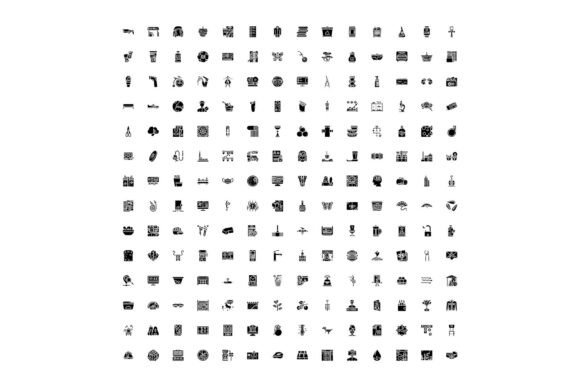
What sets this collection apart is its diversity. It includes icons for various themes such as business, travel, food, health, and more. This breadth ensures that users can find the right visual element for their specific needs without having to search through multiple sources. The availability of large black silhouette icons adds another layer of versatility, allowing for easy customization and scalability across different platforms and sizes.
Strategic Use of Diverse Glyph Collection with Various De
When used thoughtfully, the Diverse Glyph Collection with Various De can significantly enhance your design projects. Here are some practical ways to integrate these icons into your workflow:
- Enhancing User Interfaces: Icons can guide users through complex interfaces by providing visual cues that improve navigation and usability.
- Supporting Infographics: Visual data representation becomes more engaging when supported by relevant glyphs, helping to simplify complex information.
- Boosting Brand Identity: Consistent use of icons can reinforce brand recognition and create a cohesive visual language across all touchpoints.
- Improving Accessibility: Clear and recognizable icons can aid users with varying levels of literacy or those who prefer visual learning.
By incorporating these elements into your design process, you can create more intuitive and visually appealing experiences that resonate with your audience.
When to Use Diverse Glyph Collection with Various De
The Diverse Glyph Collection with Various De is most effective when used in contexts that require clear and concise visual communication. Consider using it when:
- You need to convey information quickly and efficiently, such as in dashboards or data reports.
- Your audience benefits from visual aids, such as in educational materials or instructional guides.
- You want to maintain a clean and professional aesthetic while ensuring consistency across different platforms.
It’s also beneficial when working on projects that demand a high level of customization. The large black silhouette format allows for easy adaptation to different color schemes, backgrounds, and styles, making it a flexible choice for a variety of design needs.
Planning and Implementation Tips
To get the most out of the Diverse Glyph Collection with Various De, it’s important to approach its use with intention. Start by identifying the specific goals of your project and how visual elements can support those objectives. For example, if you’re designing a mobile app, consider which icons will help users navigate the interface more easily.
Before integrating the collection into your design, take time to review the available glyphs and ensure they align with your brand’s visual identity. This step helps maintain a cohesive look and feel across all materials. Additionally, consider the cultural and contextual relevance of each icon to avoid misinterpretation or confusion.
Another key consideration is accessibility. While the icons are designed to be simple and clear, it’s important to test them with diverse audiences to ensure they are understandable and usable by all. This practice not only improves user experience but also demonstrates a commitment to inclusivity.
Common Risks and How to Avoid Them
While the Diverse Glyph Collection with Various De offers many benefits, there are potential risks if used without clear goals or context. One common issue is overuse—adding too many icons can clutter a design and overwhelm the user. To avoid this, focus on selecting only the most relevant and impactful icons for your project.
Another risk is inconsistency. If the icons are not used uniformly, they can disrupt the overall design and dilute the message you’re trying to convey. To prevent this, establish a style guide that outlines how and when to use each icon. This guide should include details on size, placement, and color variations to maintain a cohesive visual language.
Finally, failing to consider the target audience can lead to ineffective communication. Some icons may have different meanings in different cultures or contexts. Always research and test your designs with representative users to ensure the visuals are appropriate and effective.
Long-Term Benefits of Intentional Use
When used intentionally, the Diverse Glyph Collection with Various De can deliver long-term value. By focusing on clarity, consistency, and relevance, you can create designs that not only meet current needs but also adapt to future changes. This flexibility is especially valuable in dynamic industries where user expectations and technological advancements evolve rapidly.
Moreover, intentional use of these icons can contribute to a stronger brand presence. As users become familiar with your visual language, they are more likely to recognize and trust your brand. This connection can lead to increased engagement, loyalty, and ultimately, better business outcomes.
In summary, the Diverse Glyph Collection with Various De is a powerful tool that, when used strategically, can enhance communication, improve user experience, and support long-term goals. By understanding its value, planning its implementation, and avoiding common pitfalls, you can unlock its full potential and achieve better results in your design and communication efforts.