Sketch Hand Drawn Web Icons Collection S: Enhancing Visual Communication in Digital Workflows
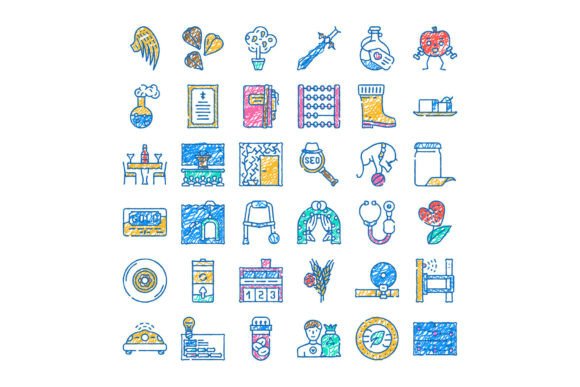
The Sketch Hand Drawn Web Icons Collection S is a versatile set of hand-drawn doodle icons designed to bring a unique, artistic touch to digital projects. These icons are ideal for web design, mobile interfaces, UI/UX development, infographics, and app development. Their simple line illustrations offer a fresh alternative to standard icon sets, allowing designers to express ideas with a more personal and creative flair.
Whether you're working on a website, a mobile application, or an infographic, the Sketch Hand Drawn Web Icons Collection S can be a valuable addition to your design toolkit. The collection includes a wide range of symbols that cater to various themes, making it easy to find the right icon for any context. From basic shapes to more complex figures, these icons are crafted with attention to detail and visual harmony.
Integrating Sketch Hand Drawn Web Icons Collection S into Your Workflow
Before starting a project, consider how visual elements will support the overall message and user experience. The Sketch Hand Drawn Web Icons Collection S can help define the tone and style of your work early in the planning phase. By selecting icons that align with your brand identity or project goals, you can create a cohesive visual language from the outset.
During the execution phase, these icons can be used to enhance the usability and aesthetics of your designs. For example, in a mobile app, they can serve as intuitive navigation elements or decorative accents that guide users through different screens. In web design, they can be incorporated into buttons, menus, or section headers to add visual interest without overwhelming the layout.
After completing a project, the Sketch Hand Drawn Web Icons Collection S can still play a role in maintenance and updates. As your design evolves, these icons can be adjusted or replaced to reflect new trends or user feedback. Their simplicity makes them easy to modify, ensuring they remain relevant over time.
Using Sketch Hand Drawn Web Icons Collection S in Different Scenarios
For professionals such as graphic designers, UX/UI specialists, and developers, the Sketch Hand Drawn Web Icons Collection S offers a practical solution for adding visual depth to their work. When designing a dashboard or a landing page, these icons can help break up text-heavy sections and make information more digestible for users.
Entrepreneurs and small business owners can benefit from using these icons in marketing materials, social media content, or product pages. A hand-drawn icon can convey a sense of authenticity and creativity, which can be particularly effective in industries like fashion, food, or art. By incorporating these icons into presentations or promotional campaigns, businesses can stand out in a competitive market.
Educators and bloggers may find the Sketch Hand Drawn Web Icons Collection S useful for creating engaging content. Infographics, tutorials, and educational videos often rely on visual elements to explain complex concepts. These icons can simplify abstract ideas, making them easier to understand and more visually appealing.
Combining Sketch Hand Drawn Web Icons Collection S with Other Tools
The Sketch Hand Drawn Web Icons Collection S works well with other design tools and platforms. When using software like Adobe XD, Figma, or Sketch, these icons can be easily imported and customized to fit specific project requirements. Their vector format ensures scalability and clarity at any size, making them suitable for both high-resolution displays and mobile devices.
Designers who use color theory in their work can also take advantage of the variety of styles within the collection. Some icons come in vibrant colors, while others are monochrome or grayscale. This flexibility allows for seamless integration with existing color schemes or the creation of new palettes that match a project's aesthetic.
Collaboration is another area where the Sketch Hand Drawn Web Icons Collection S can be beneficial. When working with a team, having a shared library of icons ensures consistency across different parts of a project. This can save time during the review process and reduce the need for repeated revisions.
Practical Tips for Using Sketch Hand Drawn Web Icons Collection S
To get the most out of the Sketch Hand Drawn Web Icons Collection S, start by organizing your icons based on theme, function, or usage. This will make it easier to locate the right icon when needed. Consider creating a folder structure that reflects your workflow, such as separating icons by category or project type.
When implementing these icons, pay attention to spacing and alignment. Even a small adjustment in positioning can significantly impact the overall look and feel of a design. Use grid systems or alignment tools to ensure consistency across different elements.
Testing is also important. Before finalizing a design, preview the icons in different contexts to see how they perform. Check their visibility on various backgrounds, screen sizes, and resolutions. This helps identify any issues that might affect usability or visual appeal.
Finally, keep track of your icon usage. Documenting which icons are used in which projects can help streamline future design decisions. It also provides a reference for maintaining visual continuity across multiple projects or updates.
Long-Term Benefits of Using Sketch Hand Drawn Web Icons Collection S
Investing in a high-quality icon set like the Sketch Hand Drawn Web Icons Collection S can lead to long-term efficiency and cost savings. Instead of creating custom icons from scratch for every project, you can reuse and adapt existing assets, reducing the time and effort required for design tasks.
Consistency is another key advantage. By using a standardized set of icons, you can maintain a professional and polished appearance across all your digital products. This is especially important for brands that want to establish a strong visual identity.
As trends evolve, the Sketch Hand Drawn Web Icons Collection S can be updated or expanded to meet new design demands. Staying current with visual styles and user expectations ensures that your work remains relevant and competitive in the ever-changing digital landscape.